Integrated Solar-Storage-Charging: How Energy Storage Cuts EV Charging Station Electricity Costs
Supercharging stations dread two costs most: transformer capacity upgrade and modification fees, and demand charges. Add one energy storage unit and both can be pressed down, plus emergency charging during outages. This article provides capacity calculation methods and equipment selection key points.
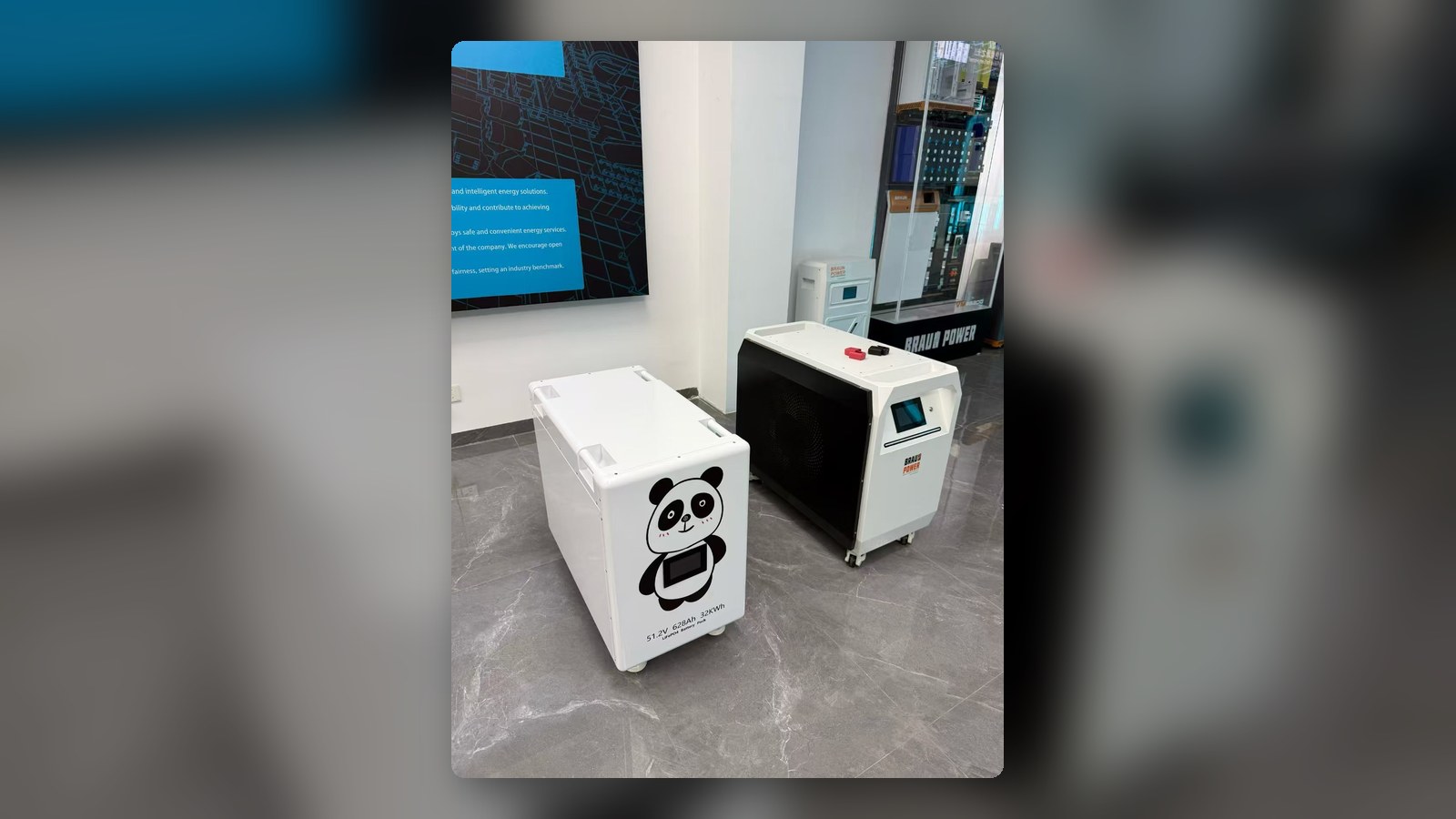
Charging electric vehicles looks on the surface like a great business of plugging in a connector and collecting money, but the electricity cost structure behind it often eats up the profit: demand charges brought by high-power charging, transformer capacity expansion costs, and peak-hour electricity prices are the three major cost black holes for charging station operators. Energy storage (BESS) is currently recognized as the optimal solution.
The three electricity cost pain points of charging stations
- Demand charges: 4 units of 120 kW fast chargers working simultaneously means 480 kW of instantaneous power; in cities billed by demand, this item can account for 20–30% of electricity costs;
- Transformer capacity expansion: adding charging piles often triggers transformer expansion, a fixed investment in the hundreds of thousands;
- Peak-hour electricity use: charging peaks often overlap with grid peaks, so you buy the most expensive electricity.
How energy storage solves it: peak shaving + load shifting
Integrate a 200–500 kWh energy storage system on the distribution side: charge during valley electricity periods or periods of surplus PV, and discharge during charging pile peaks to supplement power. Effects:
- Demand is "shaved flat," and demand charges drop directly;
- Piles can be added without transformer expansion—energy storage fills the power gap;
- Sites with PV achieve true "green power charging," and some markets can obtain green power premiums or subsidies.
How to size the capacity: a simplified formula
Energy storage capacity ≈ average daily charging volume per connector × number of connectors × peak-shaving ratio (30%–50%). For example, an 8-connector station with an average of 120 kWh per connector per day and 40% peak shaving requires about 380 kWh of energy storage. Actual configuration needs to be combined with the 24-hour power curve; send us your charging station's time-of-use power data, and our engineers will provide a configuration plan free of charge.
Key points for equipment selection
- High-rate capability: supplementing power for charging piles requires the battery to discharge continuously at 0.5C or above; choose cabinets with a continuous current starting at 200A;
- Cycle life: for sites with two charges and two discharges per day, prioritize 8,000-cycle cells (BYD / CATL / CALB Grade A);
- Safety: indoor/semi-indoor installations must pay attention to fire protection and thermal runaway protection; multi-level BMS protection + combustible gas detection are standard.
Haisi Power's PV-storage-charging solution
Haisi Power offers a full range of products from home energy storage (5–35 kWh) to commercial and industrial energy storage cabinets and containerized BESS. Integrated PV-storage-charging stations can be customized as complete cabinet integrations (PCS + EMS + battery + fire protection), OEM/ODM from 500 units, and export projects come with UN38.3 / IEC 62619 / CE shipped with the goods.